

Sports were always in a special place in the history of the formation of collective identity, cultural exchange, or even political discourse. Since time immemorial in ancient sporting events to the contemporary international leagues, sports have always depicted the ethics of openness, participation and shared experience. Sports broadcasting (스포츠중계), or free real-time TV coverage of sporting events around the world, is an extension of these ideals in the digital age. This is where individuals living beyond national boundaries can now access sports without any limits.
Sports streaming sites offering live streaming and recent news in the Korean language illustrates how the technology can be used to ensure cultural inclusion. International leagues may be followed by the fans and able to monitor the live scores and find the discussions about sports globally in real time. This availability is a sign of more general historical trends of open communication and information decentralization.
Sports and the Principle of Open Access
The concept of the openness of the information is rooted in history and politics. Liberty and civic involvement have long been linked with freedom of press, open discussions, and unlimited access to state knowledge. Similarly, sports broadcasting eliminates the traditional barriers that used to restrict the access to live sports events.
Instead of depending on the exclusive or centralized modes of broadcasting, the present-day platforms effectively distribute the live sports content across the edges. It is reflective of the historical trend between the era of information systems which are controlled and the more participatory paradigm. A move that has influenced political reform, religious movements and social change throughout centuries.
Multi-Ethnicity and Similar Global Experience
Sports have been used as an effective cultural bridge. When viewers watch world matches using real-time sports streaming software, they are being a part of a global experience. Specific broadcasts like the Korean coverage of sports events reinforce the cultural identity and yet the connection with other countries.
The strike of local identity and global involvement has been one of the issues of political and religious history. The communities are attempting to maintain their traditions and interact with the larger world trends. Sports broadcasting embodies this compromise by enabling the fans to view global leagues. It is in ways that make sense to them through the prism of their own traditions and culture (not to mention language).
Technology as a Disinterested Mediator of Ideas
In the past, technology has been perceived in most instances as a neutral object. That is, it can limit or impede as it is applied. The idea of spreading in printed presses, radio, and the internet all changed the ways of spreading ideas. The same applies to the history of live sports streaming sites.
These sites will enable people to decide what to watch, when to watch it, and how it should be experienced. It is by providing free real-time access to sporting events. This is in line with classical perspectives of individual freedom and free will, which often are addressed in political philosophy and historical reform movements.
Sports as Peaceful Competitive Field
Historically, the role of sports has been to serve as a non-violent alternative to war. Competition among nations is carried out symbolically by way of sports, not by force. Sports events that are broadcast live enhance this service by enabling the audience to see competitions anywhere across the globe in real time.
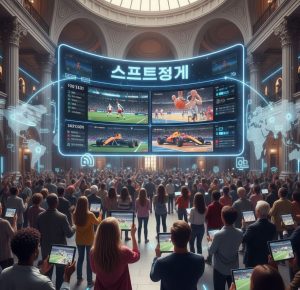
With sports broadcasting, they can watch not only sportsmanship but also discipline and respect of the rules. These values are very close to the moral and ethical traditions of both religious teachings and civic life.
Real Time Information and Responsible Invigoration
Sports websites that are real-time also promote responsible consumption of information. Information about updates, statistics, and match developments is delivered immediately to the viewers. And, this fact provokes critical observation and not passive consumption. This reflects the value of an informed citizenship, which is the constant theme of political theory and history.
When people learn to analyze live information, evaluate performance patterns and get acquainted with much larger contexts, they build habits that go beyond sports into civic life.
Conclusion
Contemporary sports broadcasting sites are not just entertainment. They are virtual environments in which the freedom of access, cultural identity and global participation combine. These platforms resonate with historical concepts of openness, voluntary participation, and human experience. It is through broadcasting international sports in Korean on a free and on-demand basis.